Where 2,500 Years of History Meets 21 km of Sand
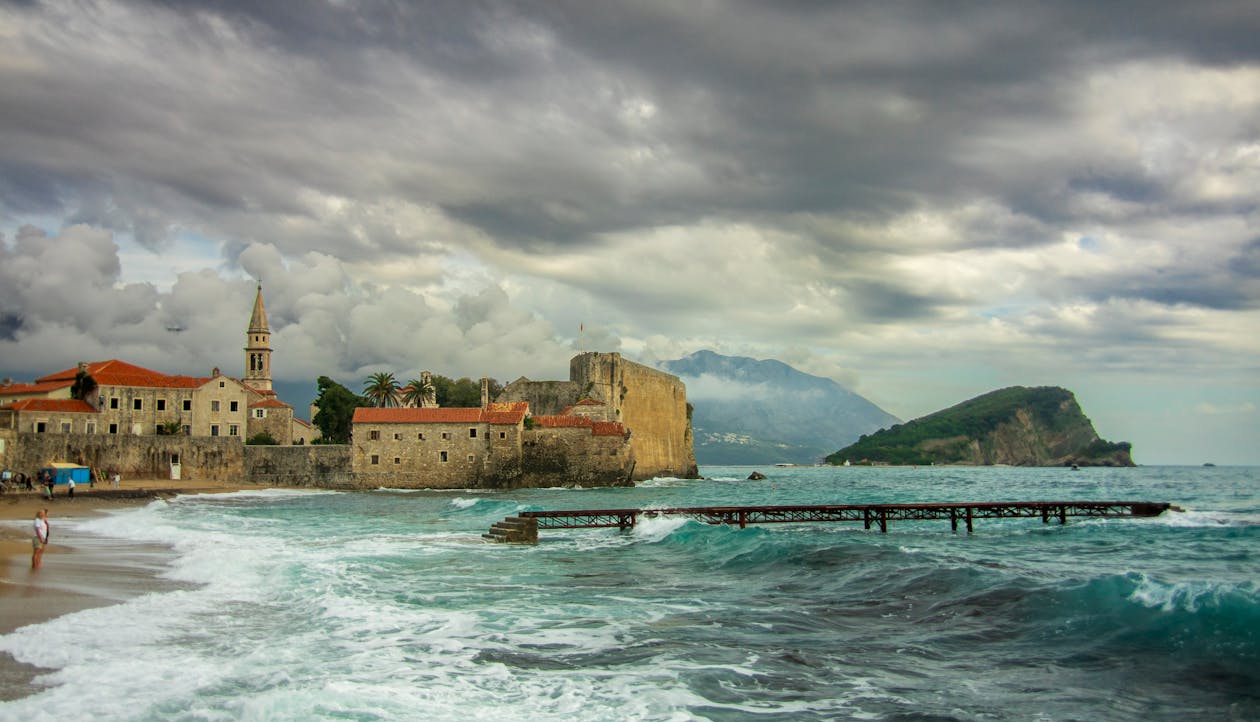
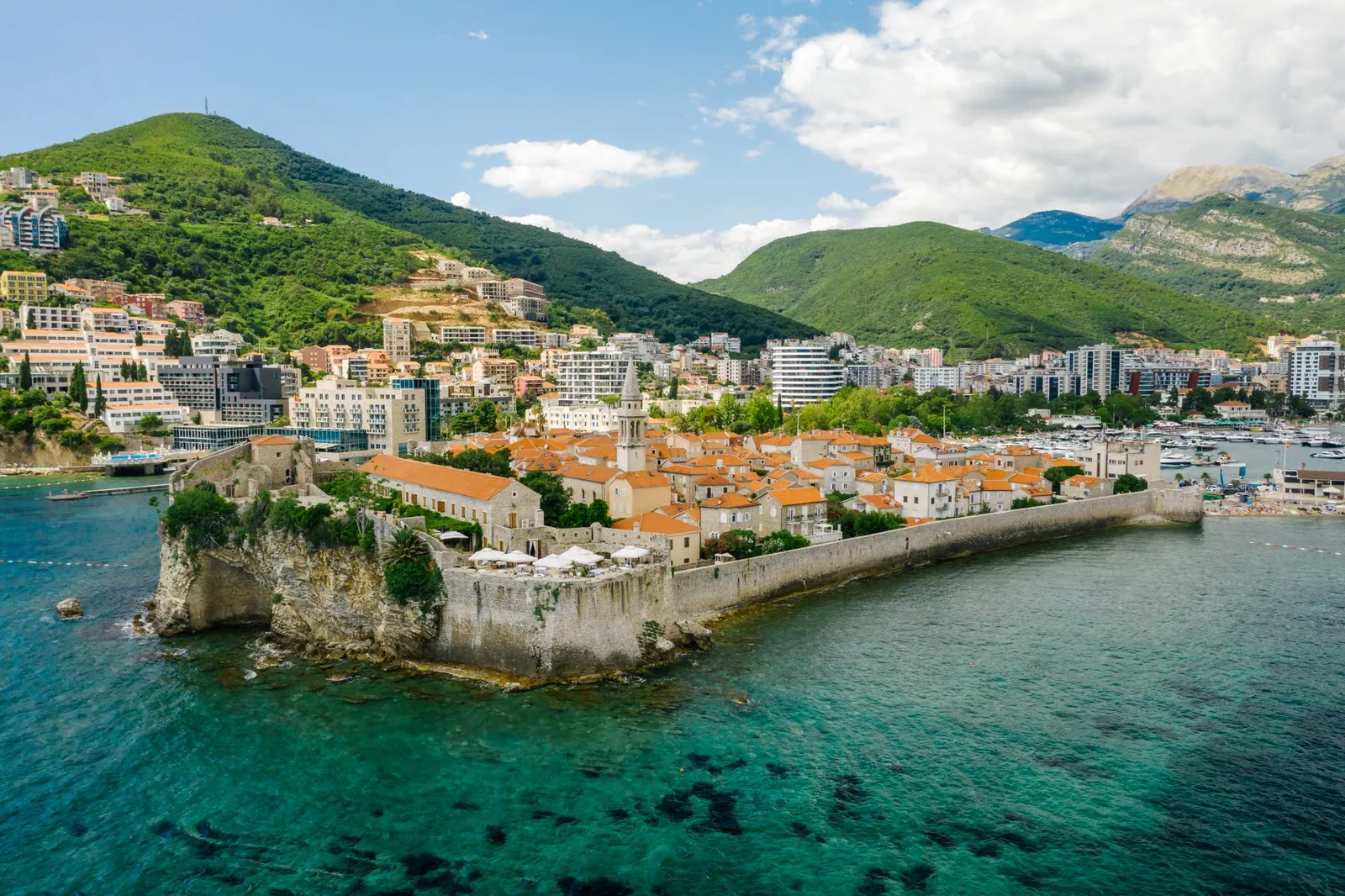
Greeks from Epidaurus founded a settlement here around the 5th century BC. Romans came next, then Slavic tribes, Venetians, Austrians, and finally modern Montenegro. Each left a mark, but Budva today is defined by contrast: a walled citadel on a finger of rock jutting into the Adriatic, flanked on both sides by beach bars pumping music until dawn. It is not subtle, and it does not try to be.
Driving from Kotor takes roughly thirty minutes through a mountain tunnel that cuts beneath the Lovćen foothills. From Tivat Airport, the road south skirts the bay before climbing briefly and descending to the Budva riviera. A rental car transforms the coast: Mogren is five minutes away, Jaz ten, and Sveti Stefan fifteen, distances that feel considerable without wheels but trivial with them.
The Riviera Strip
Budva's municipality claims 21 kilometres of coastline. Four beaches stand out:
- Mogren: A pair of pebble coves linked by a tunnel blasted through the cliffs. Walking distance from the Old Town, yet feels secluded once you pass through the rock
- Jaz: The largest sandy stretch near Budva, backed by a shallow lagoon. Hosts the Sea Dance festival each summer and fills with families the rest of the time
- Sveti Stefan: Visible from the Adriatic Highway as a photogenic fortified islet. The mainland Queen's Beach is open to all; the island itself is a private resort
- Bečići: A 2 km arc of fine sand that European travel writers once voted the continent's finest beach. Still popular, less frantic than Budva's main strip
Inside the Citadel
Budva's Stari Grad occupies a compact peninsula fortified since antiquity. Cobbled lanes barely two metres wide thread between Venetian-era townhouses, 7th-century churches, and a scatter of restaurants that spill chairs onto every available paving stone. At the southern tip, the Citadela fortress, now a summer events venue, commands views along the coast in both directions. A small library inside holds editions in a dozen languages, left by visiting sailors over the centuries.
Heading west around the bay, Herceg Novi marks the entrance to the Boka, roughly an hour's drive along the coast.
Ready to Explore the Bay of Kotor?
Free cancellation availableNo card neededLive rates
Roads Leading Out
Six kilometres south on the highway, the road above Sveti Stefan offers a camera angle that has sold a million postcards. Below, the mainland beach is free and open to all. A car lets you arrive early, before the tour coaches from Budva claim every parking space.
North through the tunnel: Kotor's historic Old Town in thirty minutes. Most visitors to Budva make this trip at least once, and many decide they should have based themselves in Kotor instead, a good argument for having a car. For Kotor car rental, the fortress walls are just thirty minutes back through the tunnel.
Inland from the coast, the road corkscrews upward through Lovcen National Park to the Njegos Mausoleum at 1,657 metres. On a clear afternoon, the view from the summit terrace takes in four countries. Budget three hours for the round trip, more if the switchbacks slow you down.
The coast road north also leads to Tivat, where Porto Montenegro's waterfront sits twenty minutes from Budva.
Parking and Practicalities
Budva's Old Town is pedestrian-only, but the car parks lining the approach road fill fast between June and September. Arrive before 09:00 in high summer or try the less obvious lots south of the main strip near Bečići. A car is not optional for beach-hopping, the riviera's best sand is scattered across fifteen kilometres, and local buses are infrequent. Collect your car at Tivat Airport and reach Budva in 30 minutes.