A Capital Built on Riverbanks and Reinvention
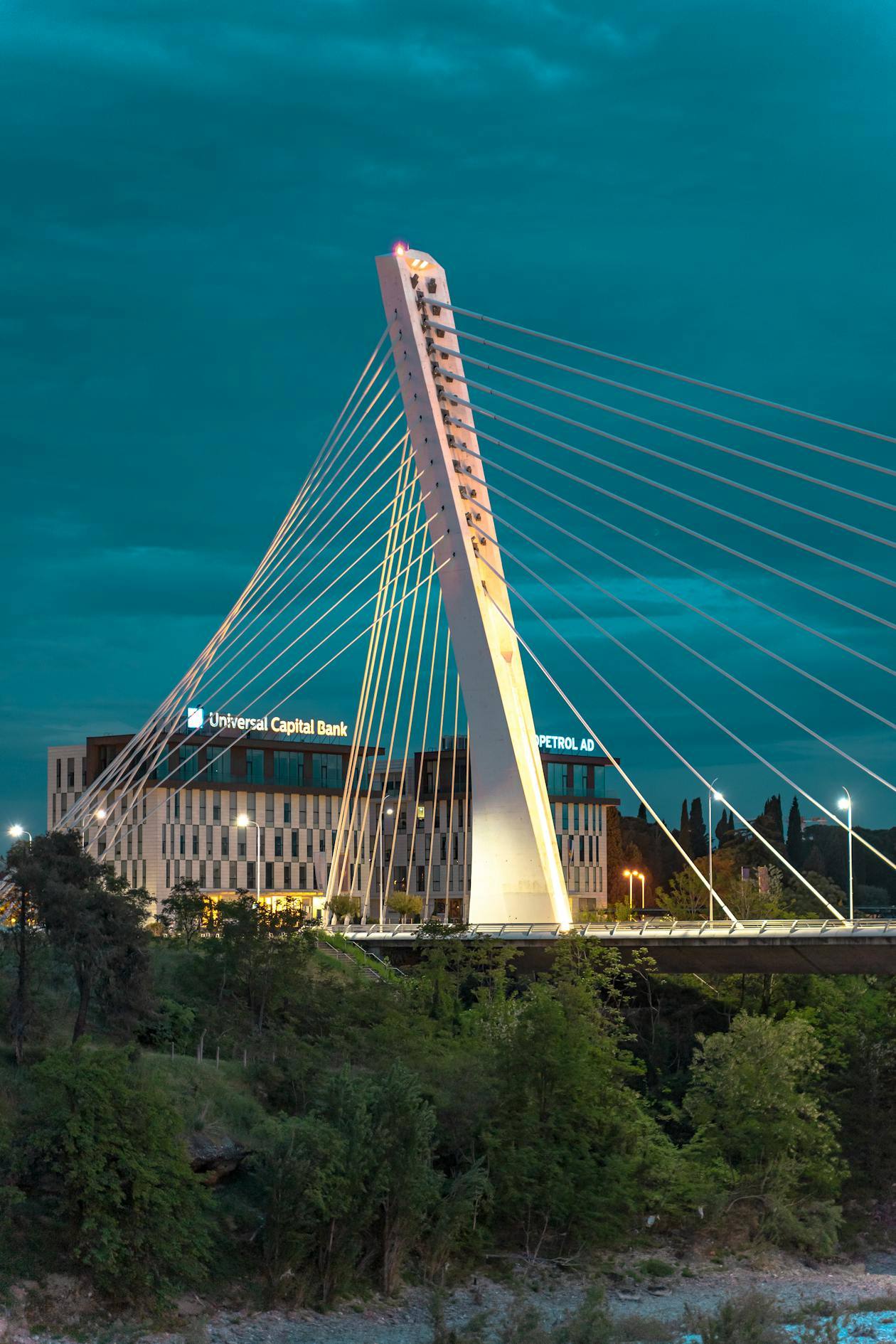
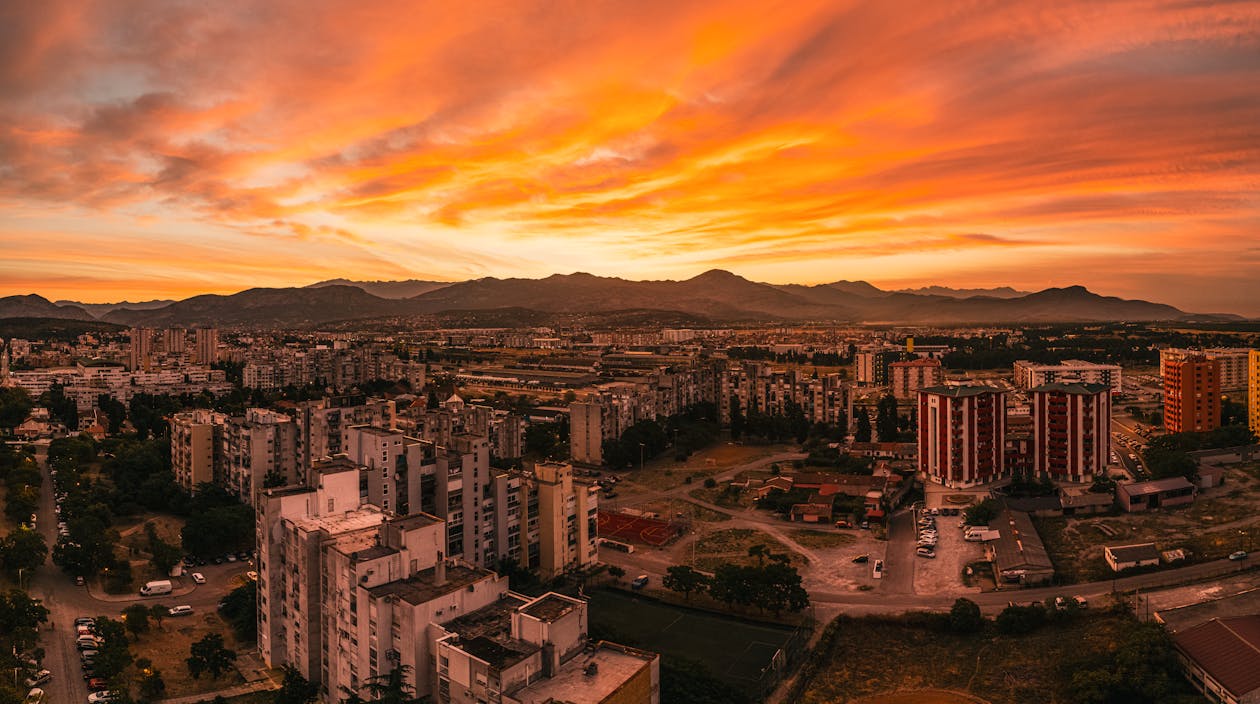
Where six rivers converge, the Morača, Ribnica, Zeta, Sitnica, Maréza, and Cijevna, Podgorica has grown into a city of roughly 170,000 people and three overlapping identities. Ottoman Podgorica survives in the Stara Varoš quarter: narrow lanes, a squat clock tower (Sahat-kula), and low stone houses. Yugoslav Podgorica sprawls in the concrete apartment blocks of Blok V and the wide boulevards renamed after independence. Modern Podgorica rises in the glass-and-steel towers near the Millennium Bridge, a cable-stayed span that has become the city's unofficial logo.
From Kotor, the drive takes about 90 minutes. Two routes exist: the dramatic Lovćen serpentine, climbing 25 hairpin bends before descending through Cetinje to the Zeta plain, or the faster motorway-standard road via Budva and Sozina tunnel. Both end at a city that few coastal tourists bother to visit, their loss.
Most coastal visitors base themselves in Kotor, 90 minutes west on the bay road, and loop inland to the capital for a day.
Podgorica is nobody's picture-postcard destination, and it makes no apologies. Instead it offers the best restaurants in Montenegro, a lively cafe culture along the Morača riverbank, and an emerging gallery scene concentrated around the Centre for Contemporary Art. It is also the logical launching point for Lake Skadar, the Morača canyon, and the mountain north.
Arriving by air? Podgorica airport car rental is available right at the terminal, 15 minutes from the centre.
Worth Seeking Out
The archaeological ruins of Duklja (Roman Doclea), two thousand years old, lie on the northern outskirts. In the city centre, the Cathedral of the Resurrection of Christ, consecrated in 2013 after two decades of construction, dominates the skyline with its massive dome. For something less monumental, the Petrović Palace on Kruševac hill houses a modest but well-curated art gallery and pleasant wooded grounds.
For route planning and road rules, see our driving in Montenegro guide.
Ready to Explore the Bay of Kotor?
Free cancellation availableNo card neededLive rates
Driving Out from the Capital
Skadar Lake National Park
Thirty minutes south of Podgorica, the largest lake in the Balkans straddles the Albanian border. Pelicans, cormorants, and herons crowd the wetlands. Hire a small boat at Virpazar village, paddle among the water lilies, and return for grilled carp at one of the lakeside restaurants. In spring, the lake level rises by several metres and entire meadows vanish underwater.
Danilovgrad and the Zeta Valley
Half an hour west along the Zeta river, Danilovgrad is a small town known for riverside swimming spots, kayak rentals, and the 13th-century Zdrebaonik Monastery tucked into the hillside above. Combine it with a stop at one of the valley's family-run wineries.
Zabljak
The mountain town of Žabljak, at 1,456 metres in the Durmitor massif, is 170 km and roughly 2.5 hours north. In winter: skiing. In summer: the Tara River canyon (1,300 metres deep, second only to the Grand Canyon), Black Lake, and hiking trails across a historic alpine plateau.