Why Visit Kotor in Winter
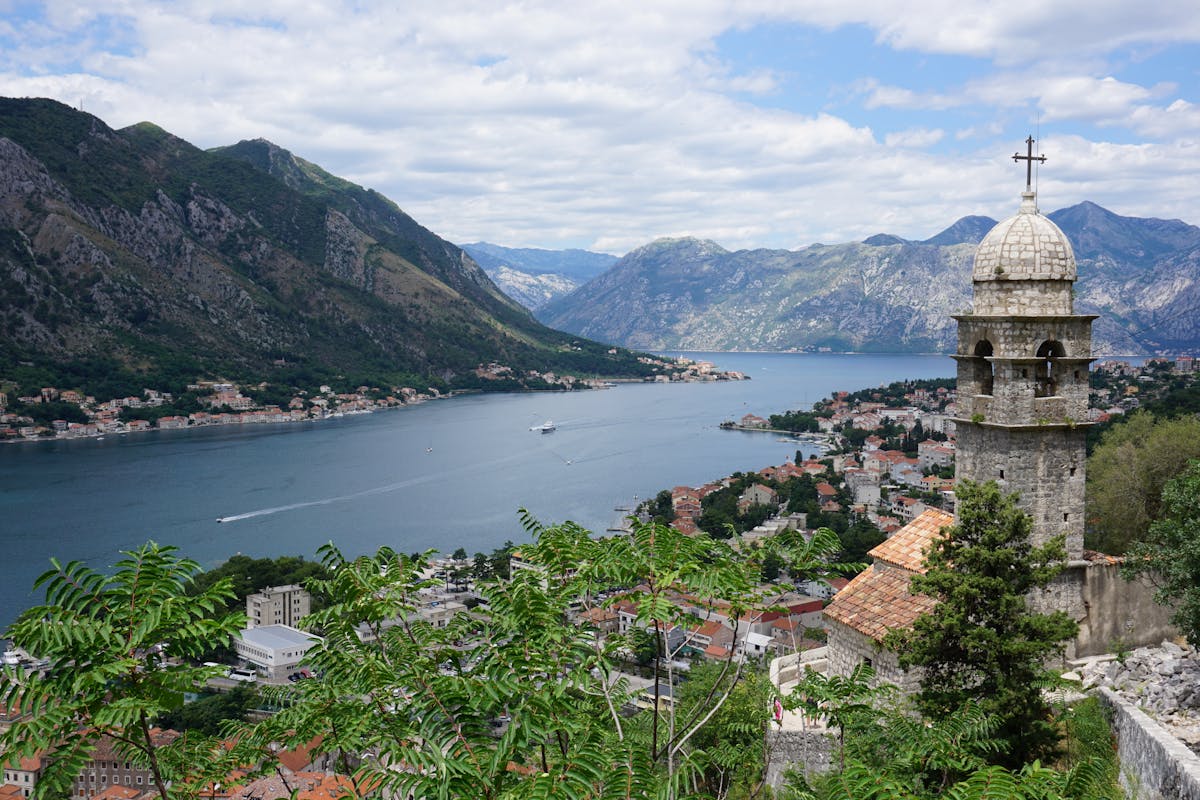
Between November and March the cruise ships stop coming. The Old Town empties out. The narrow lanes that in summer feel like rush hour become quiet enough to hear your own footsteps echoing off the stone. The bay, no longer dotted with tour boats, turns a deep slate grey that mirrors the mountains above. This version of Kotor, the one that belongs to the 13,000 people who actually live here, has a quality that summer cannot replicate.
Prices drop significantly. Hotels that charge €180 per night in July sell the same room for €60 in January. Rental cars follow the same pattern. Restaurants that were fully booked three months ago now welcome walk-ins with genuine enthusiasm. Winter visitors get more Kotor for less money, and the tradeoff, shorter days and occasional rain, is one that most travellers find perfectly acceptable.
What the Weather Does
Kotor's winter climate is mild by central European standards. Daytime temperatures sit between 8°C and 14°C from November to February. Rain is the main feature, Kotor is one of the wettest places in Europe, and most of that rain falls between October and March. When it rains here, it rains hard. But storms blow through quickly, and it is common to have a drenched morning followed by a blue-sky afternoon with winter sunlight bouncing off the bay.
Winter Driving Conditions
The bay road between Kotor, Perast, and Tivat is at sea level and never has ice or snow. The road to Lovćen, however, is a different matter entirely, the upper hairpins can be snow-covered from December through March and the mountain road may close altogether during heavy snowfall. The Vrmac tunnel to Tivat is unaffected by weather. If you plan to drive to Cetinje or inland Montenegro in winter, carry snow chains and check road conditions with the rental agent before setting out.
What to Do
Climb the Fortress Walls
The fortress trail is open year-round and free of charge from November to March. Without the summer heat and the queues, the climb is a completely different experience, cooler, quieter, and often accompanied by low clouds that part dramatically to reveal the bay below.
Christmas and New Year Markets
Kotor's winter market runs from mid-December through early January in the main Old Town squares. Local food stalls sell roasted chestnuts, fritule (fried dough balls), and mulled wine. A small ice rink appears in some years. The atmosphere is festive without being overwhelming.
Kotor Carnival (February)
The Kotor Winter Carnival is one of the oldest in the Mediterranean, dating back over 500 years. Held in February, it fills the Old Town with masked processions, live music, satirical floats, and a general atmosphere of organised chaos. If you happen to visit during carnival week, book accommodation early, it is the one winter event that fills the town.
Winter Day Trips
The bay road to Perast and Risan is beautiful in winter light. Cetinje, Montenegro's old royal capital, is a 45-minute drive over Lovćen (weather permitting) or a longer route via Budva. The Ostrog Monastery, carved into a cliff face two hours north, is particularly atmospheric in winter when snow dusts the surrounding mountains. If the weather cooperates and the road is open, a winter drive to the Lovćen summit is extraordinary. Read our guide to the Kotor, Lovćen mountain road.
Off-Season Pricing
Car rental rates drop by 30-50% between November and March. A compact car that costs in July might be in January. Hotels follow a similar pattern. Restaurants often run reduced menus but the quality stays high, in fact, some locals argue the food is better in winter because chefs have time to cook properly instead of rushing through covers.
What to Pack
- A waterproof jacket, not an umbrella. Kotor's wind makes umbrellas useless during storms.
- Layers. Mornings are cold, afternoons can be surprisingly warm when the sun breaks through.
- Comfortable waterproof shoes. The Old Town's stone streets become slippery when wet.
- A warm hat for the fortress climb, the wind at the top cuts through everything.
- A decent appetite. Winter is the season for heavy Montenegrin comfort food: lamb, stews, and grilled meats.